A place you don’t so much walk into as fall into.
A cocktail bar at 12th & Walnut, Over-the-Rhine — not open yet, but the countdown already is.





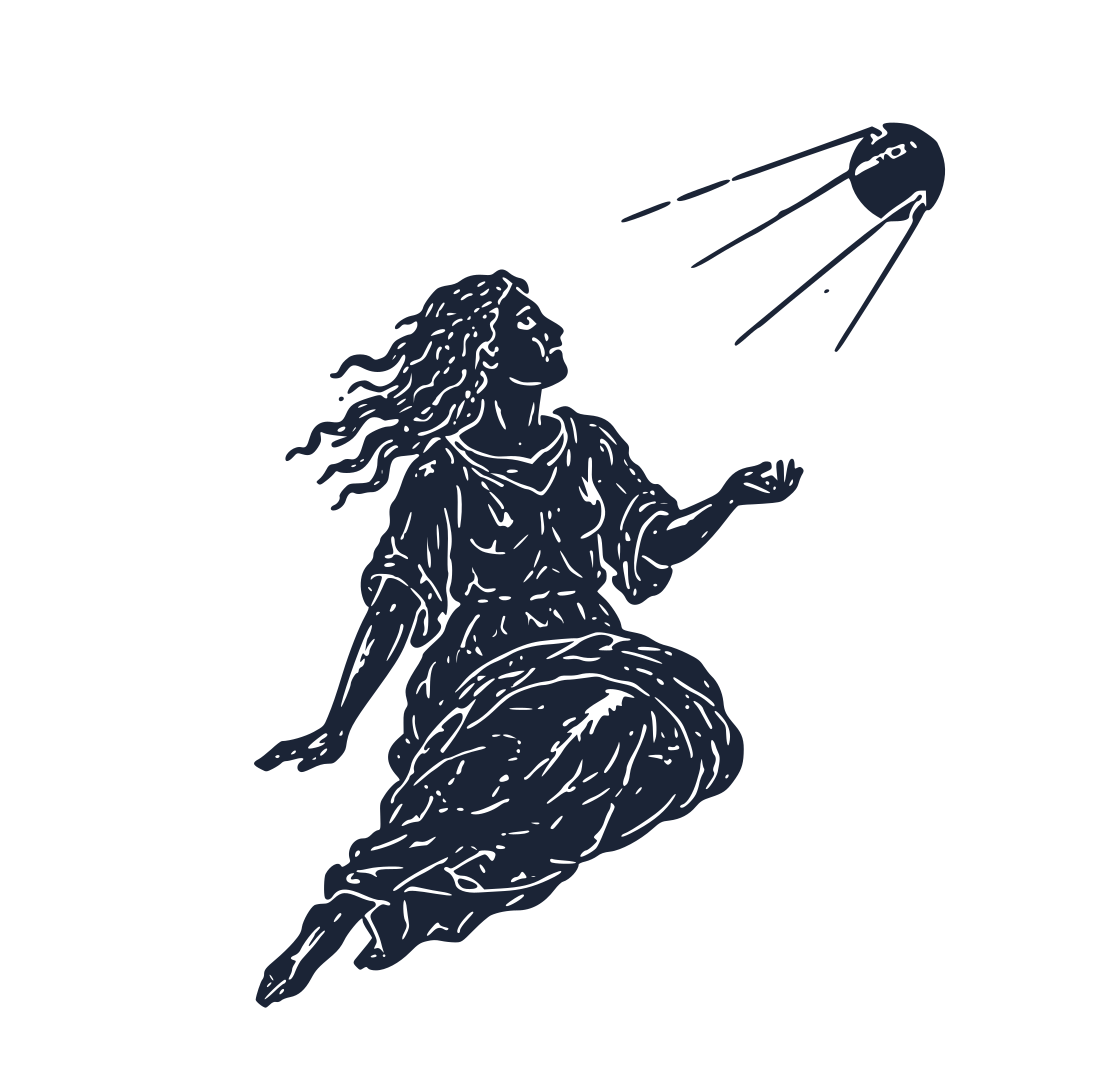
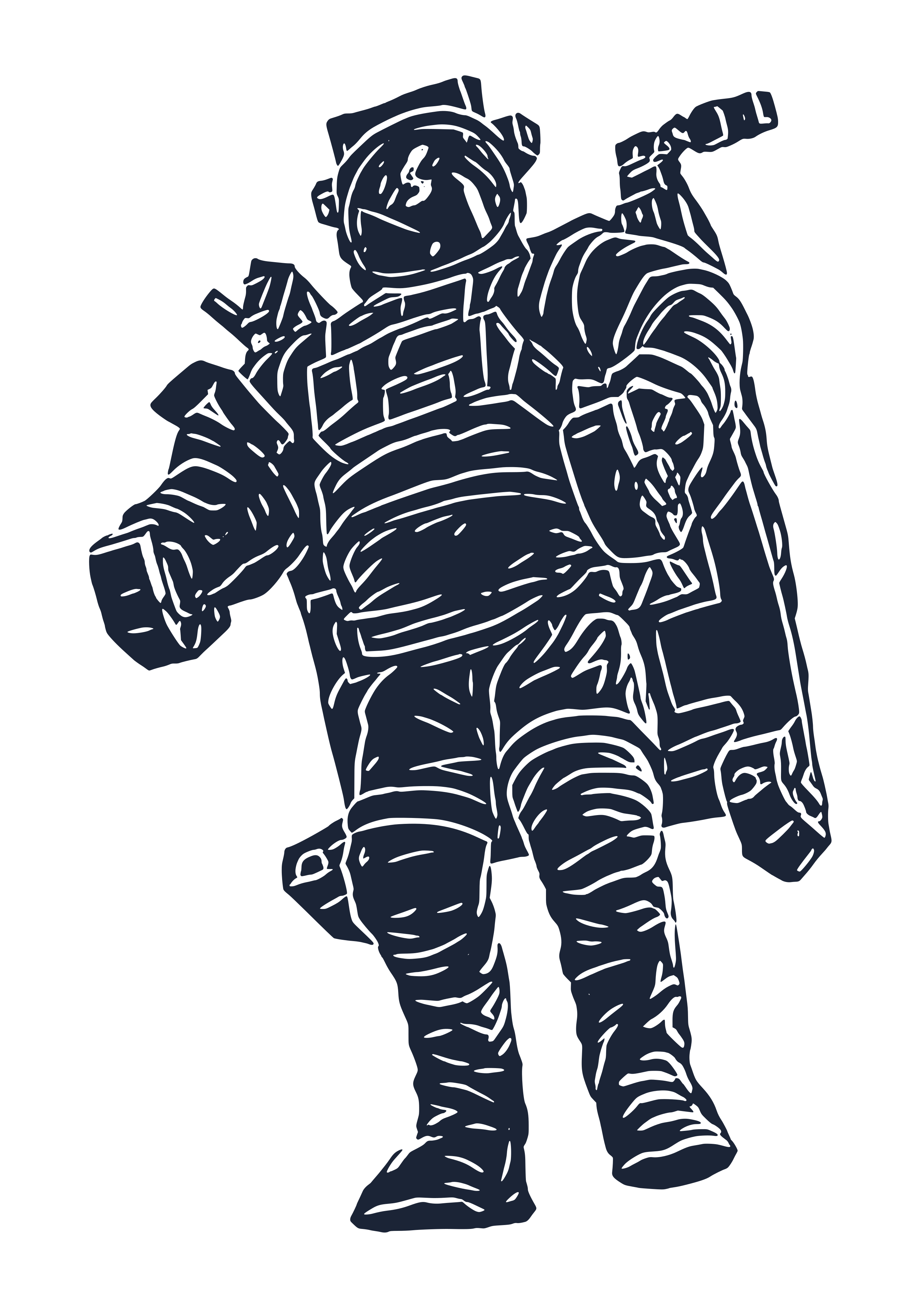
Figures climb through
a break in the clouds.
A ceiling fresco by Alex Frank.
The better part of a year of it, every hour spent sixteen feet off the floor. It’ll still be overhead when your drink arrives. Take your time — that’s rather the point.
A short list,
taken seriously.
Drinks
Food
Modern technique has a place, though the result still has to earn its spot in the glass or it never sees the menu. Spain, Italy and Germany keep turning up uninvited, and we keep pouring them one. The full menu arrives before we open.
Small things,
eaten standing up.
Hors d’œuvres
Nothing here needs a knife, and nothing needs much explaining. It’s food for one hand, so the other one never has to leave your glass — little plates the size of a saucer, made for the gap between this drink and the next.
-
Gilda tk
Anchovy, guindilla, a Manzanilla olive on one pick. One bite, and you’ll wave for another.
-
Boquerones tk
White anchovies in bright vinegar and good oil, with a crust of bread to carry them.
-
Jamón, cut to order tk
Sliced the moment you ask for it, and served with nothing on it. It doesn’t need the help.
-
Pan con tomate tk
Grilled bread, tomato, salt. Four ingredients, and don’t go hunting for a fifth.
-
Obatzda & rye tk
Camembert beaten with butter and paprika, a little radish, dark bread. Pure Bavaria.
-
’Nduja on toast tk
Warm, spread thin, with a thread of honey pulled across the top.
-
Marcona almonds tk
Fried in rosemary oil and salted while they’re still too hot to handle — nobody waits for these to cool.
-
Egg & anchovy butter tk
A boiled egg, halved, with an anchovy butter you’ll want the recipe for.
Spain, Italy and Germany do the talking; everything is cut to order, salted like someone cared, and served without a single garnish you can’t eat. Prices land before opening — so do a few more plates. The delicatessen comes later; that’s a longer story, and a bigger sandwich.
Back to
the bones.
A jewel box, built by hand.
Decades of renovation had buried the place under drywall. Tearing it out wasn’t demolition so much as a rescue — underneath it all were the structure, the tall windows, and sixteen feet of afternoon light, waiting right where they’d been left.
Then the work began in earnest: four years of it, the bar, the molding and the floor all drawn and built for these exact walls. Nothing was ordered from a catalogue. Halfway through, the money ran out and the whole place went silent for the better part of two years.
And then, because these things sometimes go right, it didn’t.









This building sold
fire insurance.
Damage, and what came after, were the business.
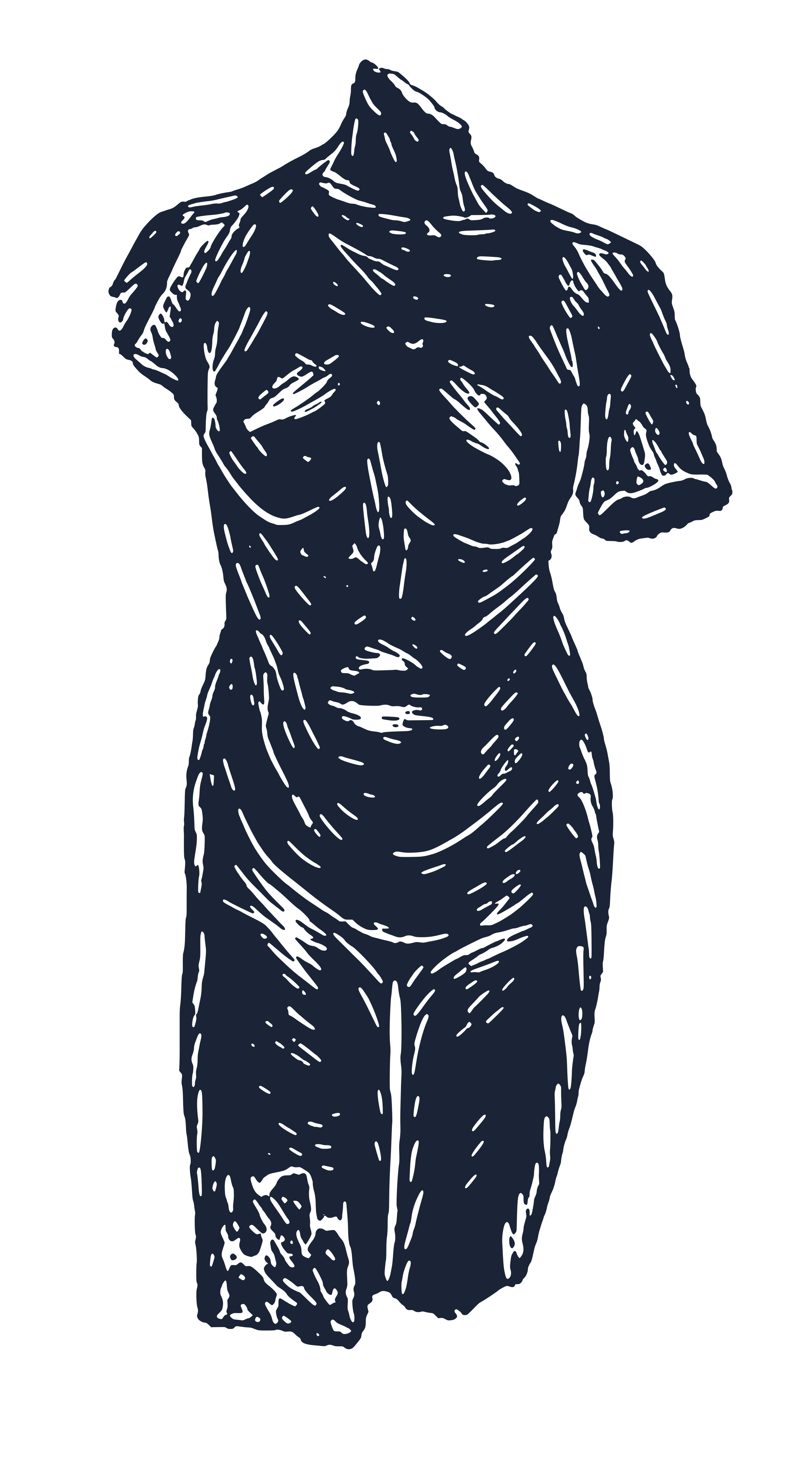
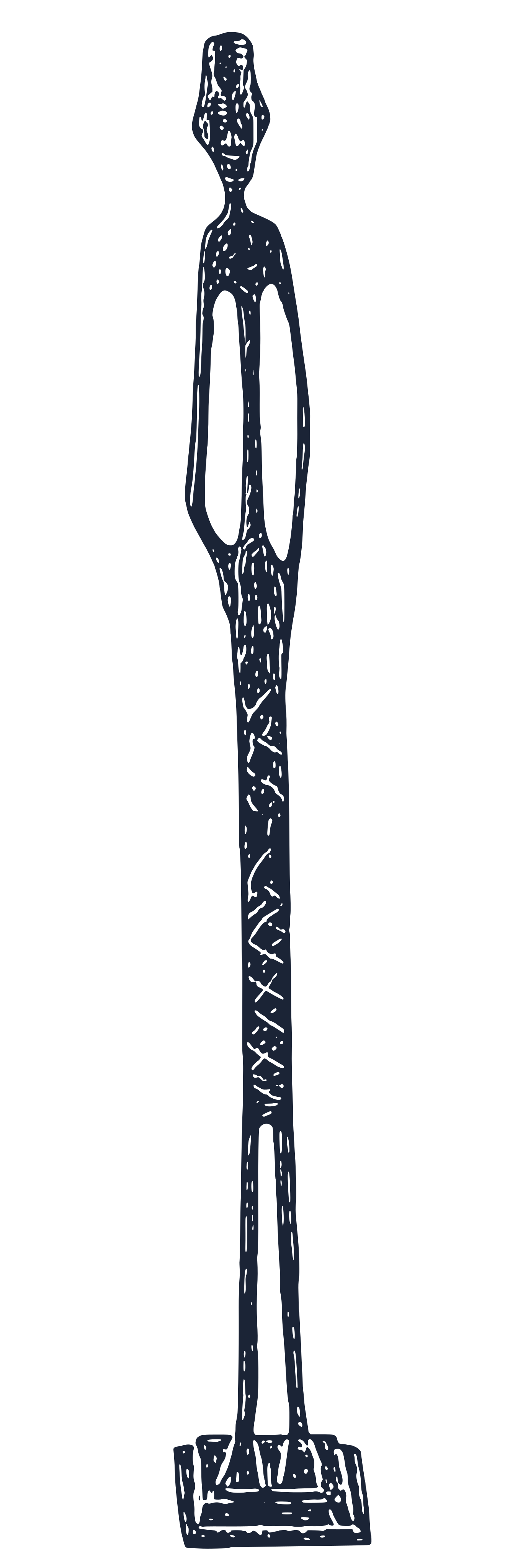
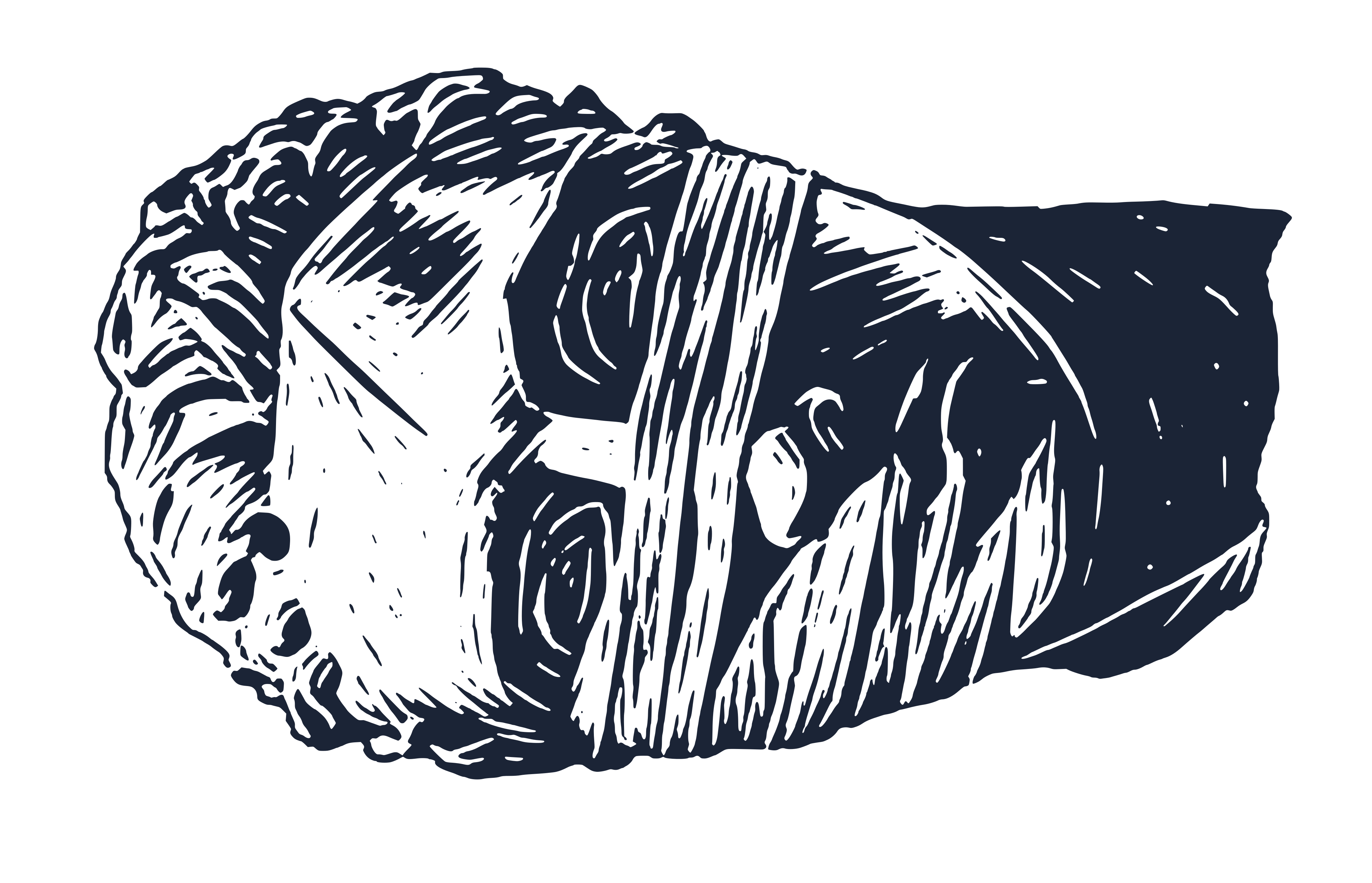
Fractures run through the room, and pieces of broken sculpture surface through the concrete — less installed than unearthed.
That crack in the granite behind the bar arrived that way, dropped the day it was delivered. We kept it. The clean version never got made, and we’ve stopped missing it.
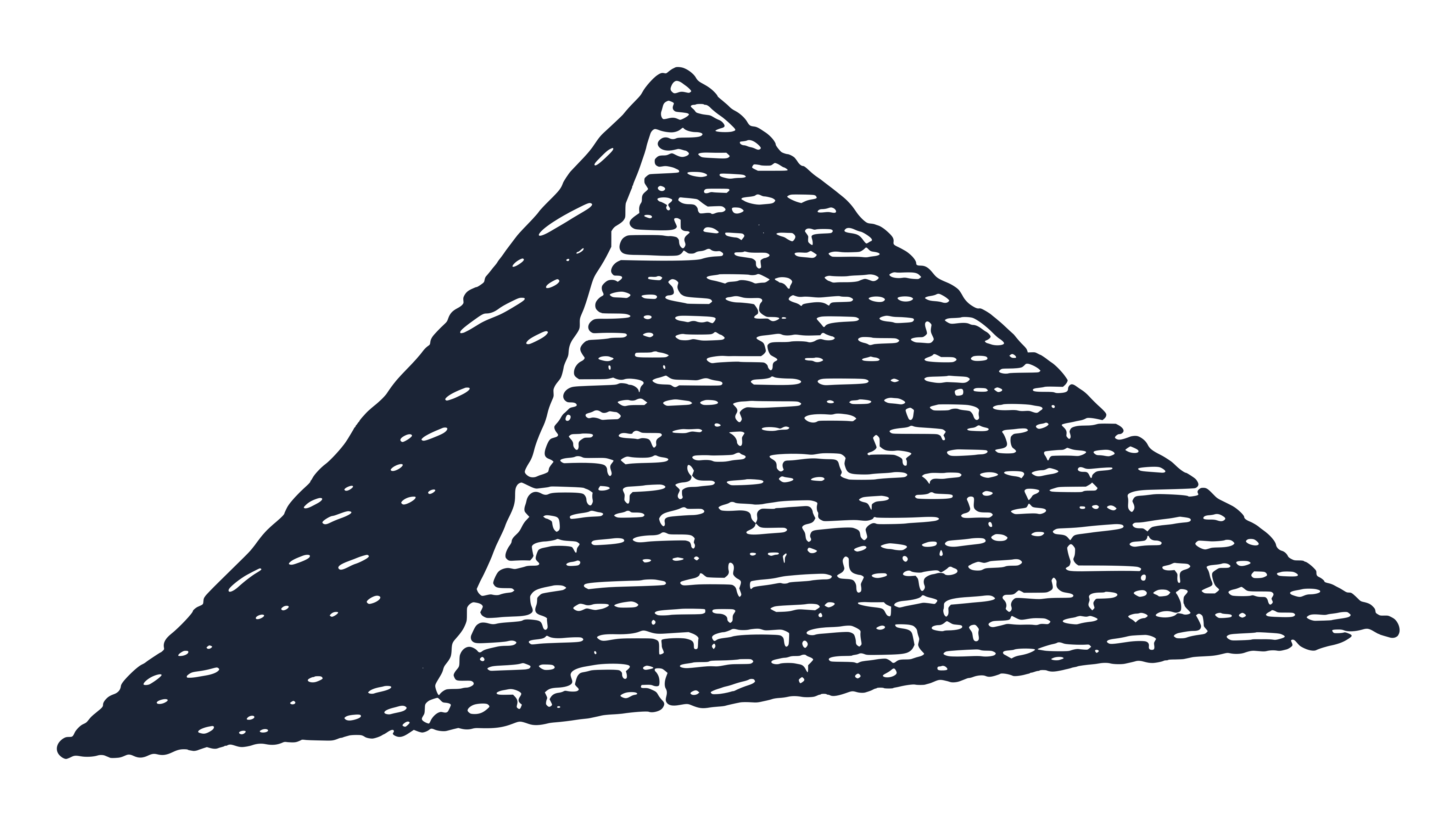
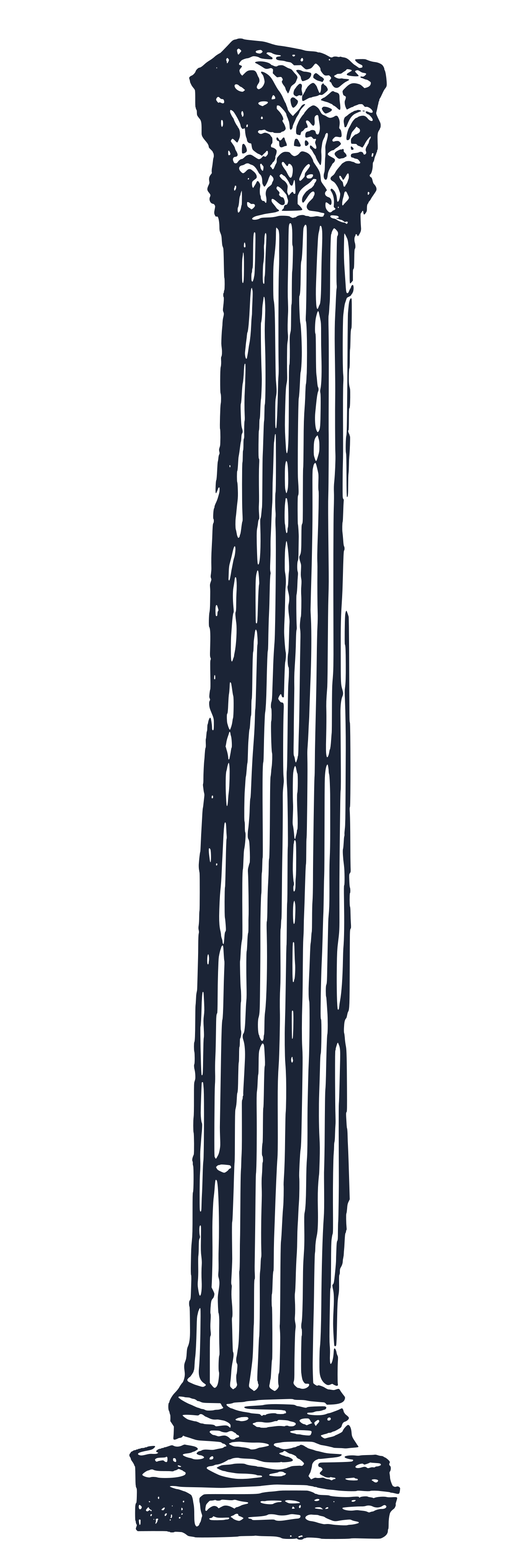






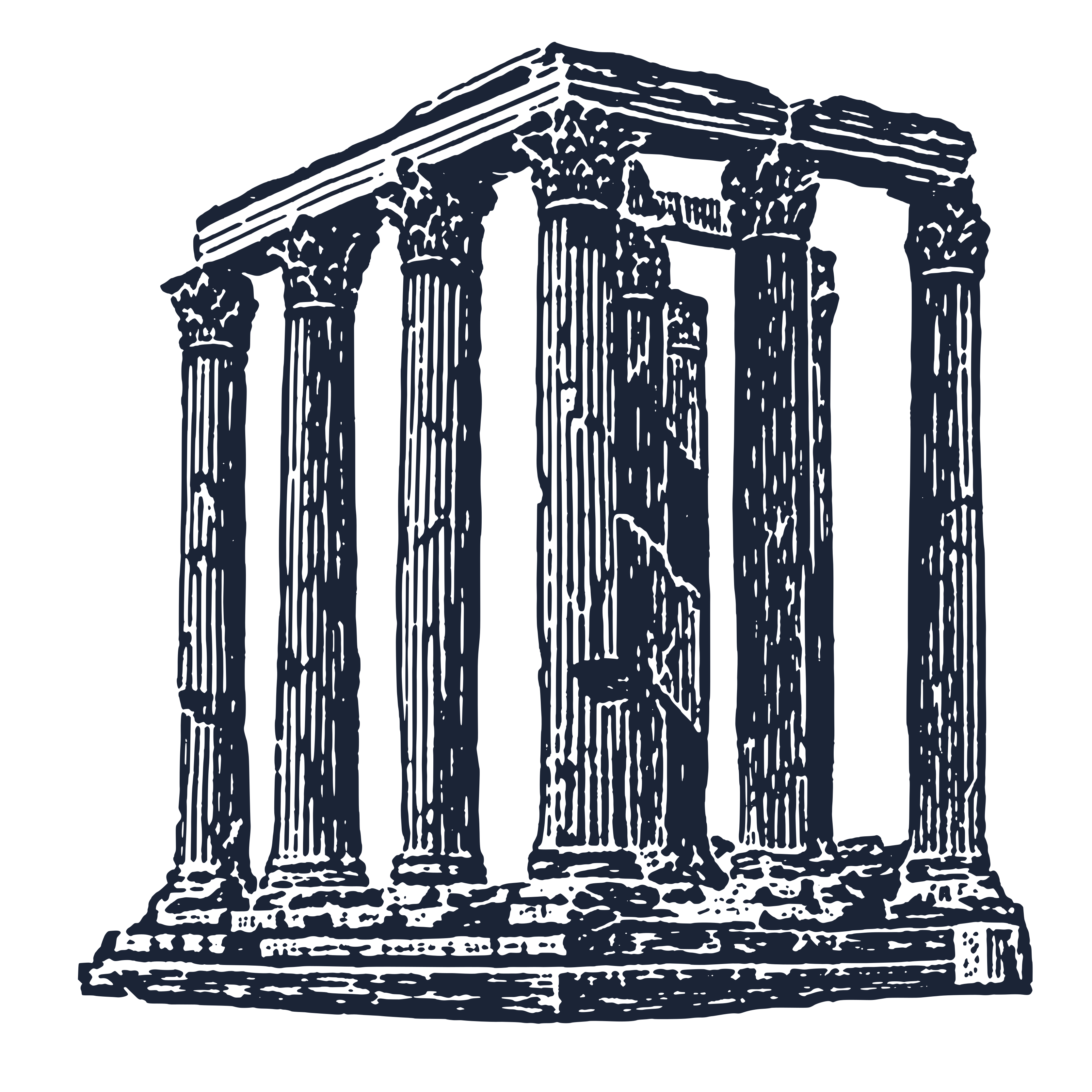
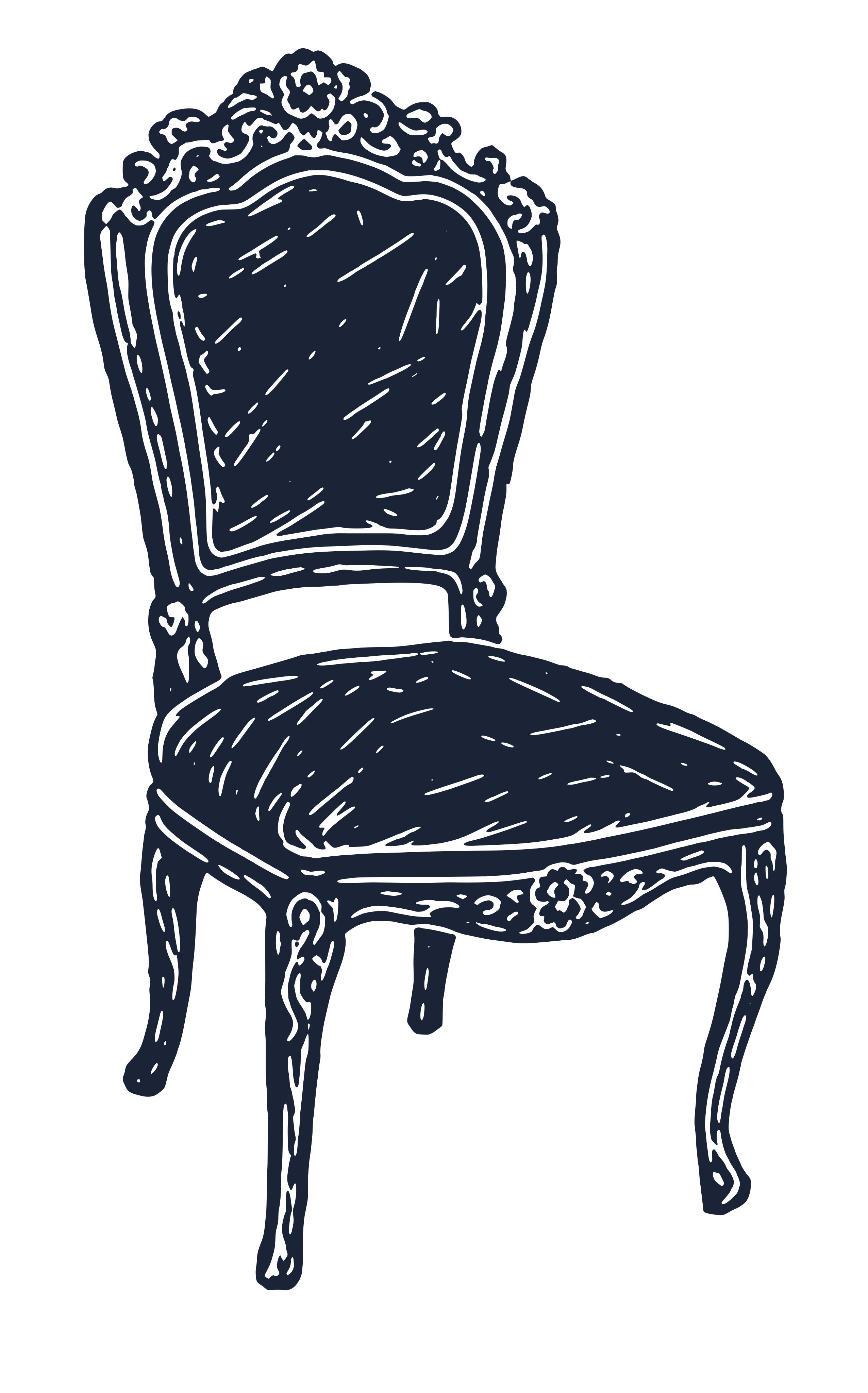
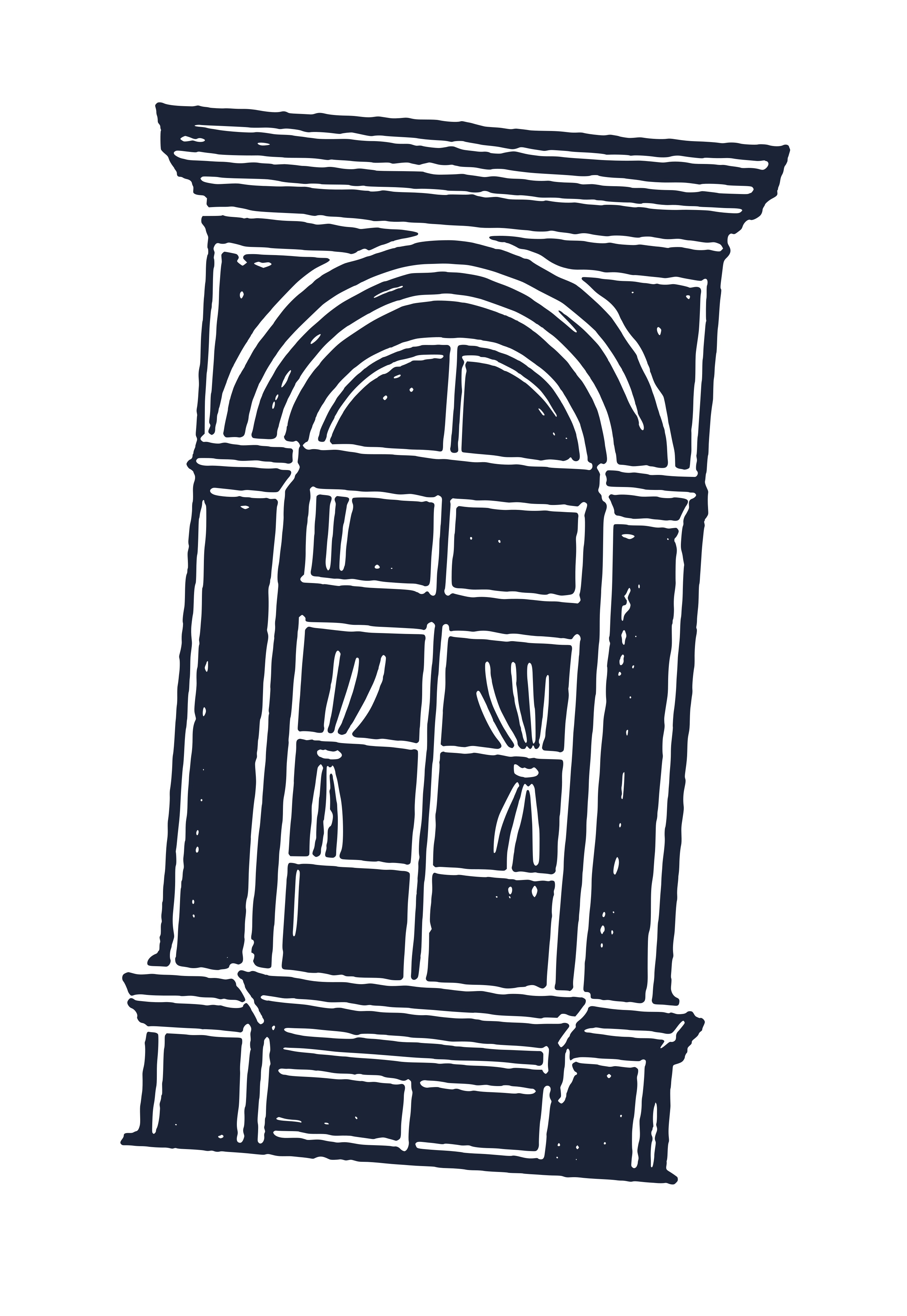
Some came from here.
The rest was made for it.
The scale and history of the Germania decided much of what followed.
- Granite behind the bar, cracked through the middle when the slab fell.
- Broken sculpture set into concrete, with fragments surfacing through the wall.
- Crown molding and wood trim drawn for sixteen-foot ceilings.
- The sky over this corner in 1877, mapped in brass across the parquet.
Germania.
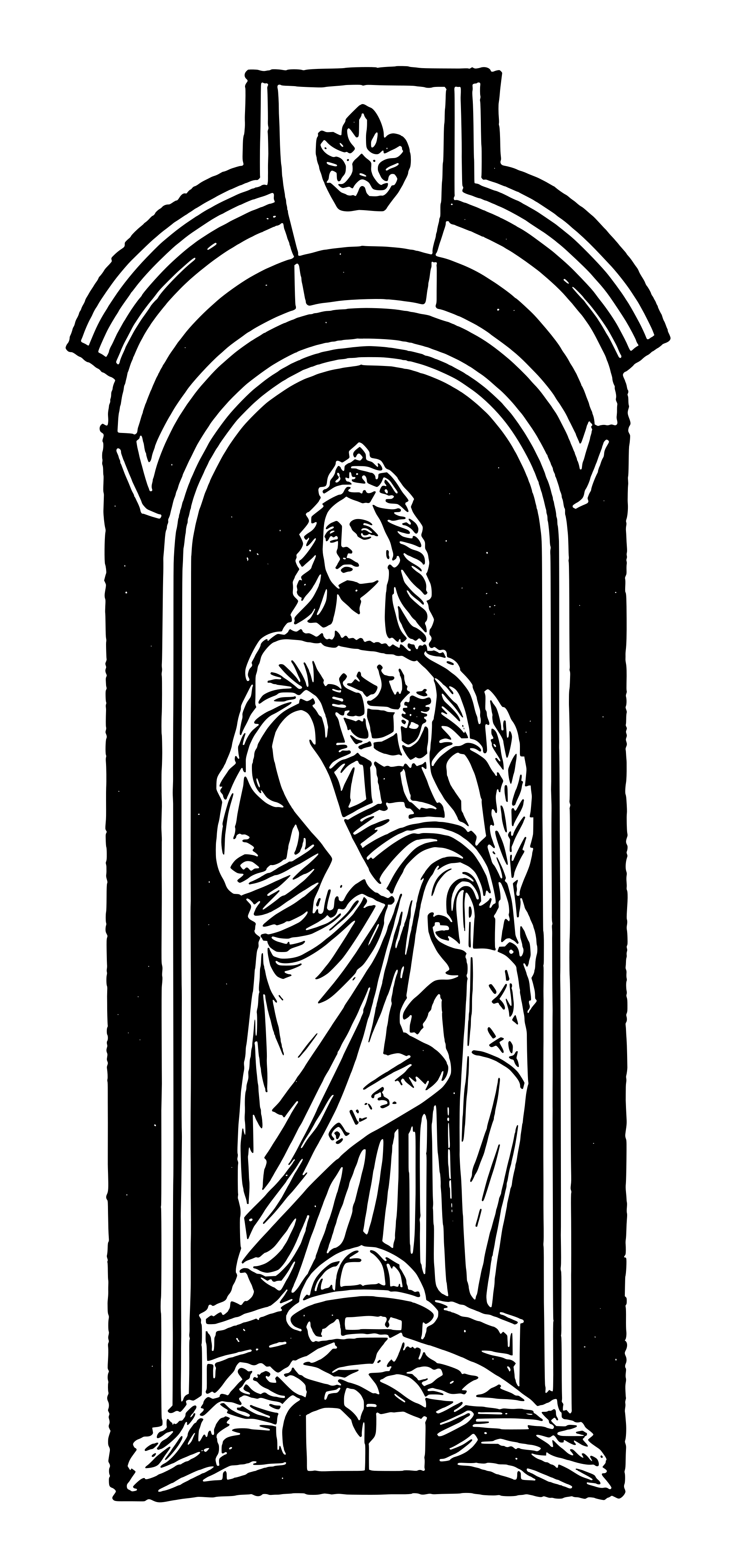
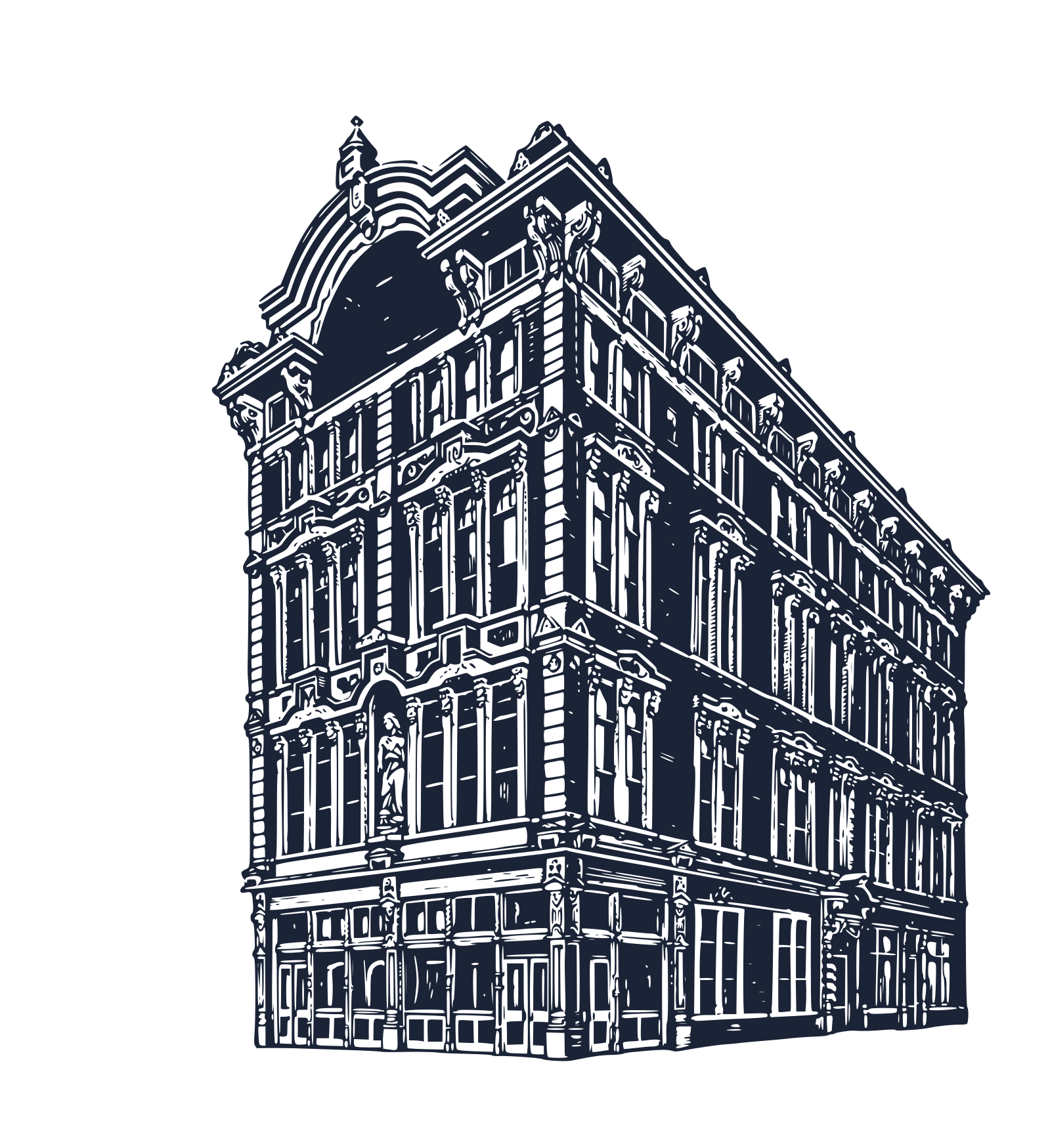
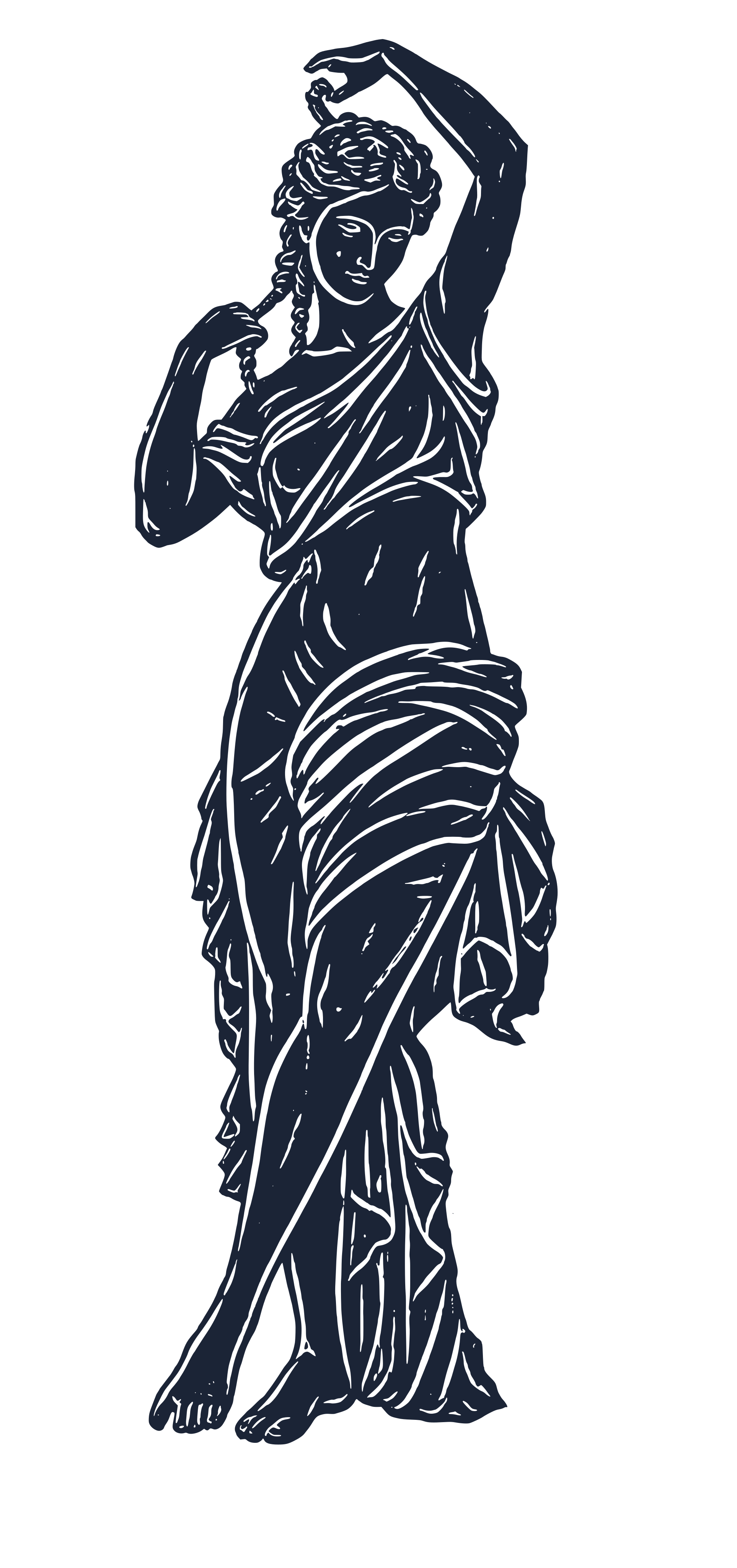
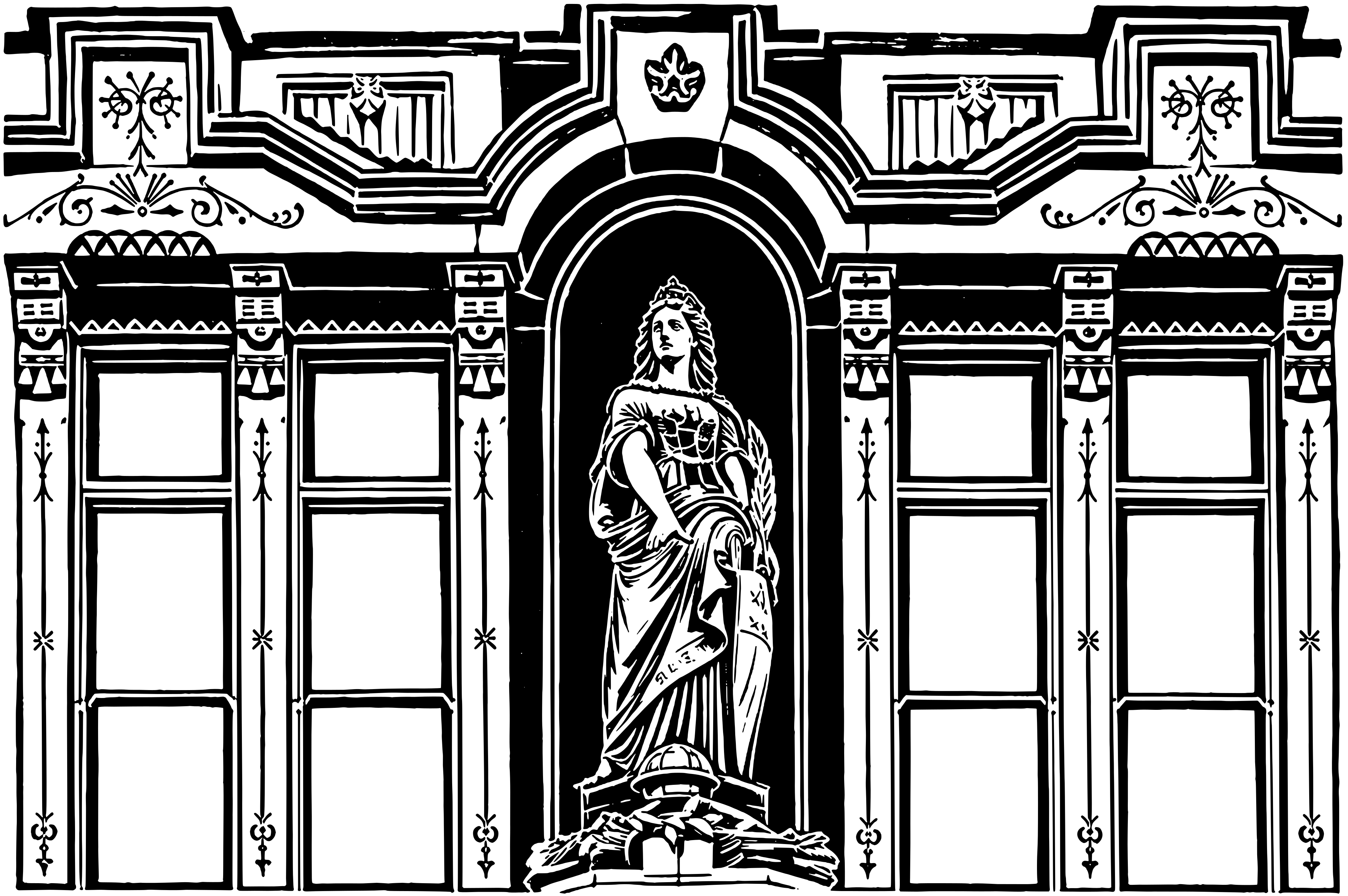
Above the front door stands Germania, the allegorical mother of Germany, holding a globe, books and a painter’s palette. She has occupied that niche since the building went up in 1877.
In 1917, the country she represented became the enemy. The company boarded over its German name and draped her in black. Within a few years she had been quietly recast as Columbia — an eagle on her breastplate, flags on her shield, E Pluribus Unum cut into her gown. They changed everything about her but her face.
After a while, we realized we had fallen in love with the building. Worse, it kept giving us ideas. The name followed.
We called the bar The Muse and left the building’s name where it was.
1877
The sky over 12th & Walnut.
Brass set into the parquet maps the sky exactly as it hung over this corner in 1877, each star plotted where it stood — in case you ever wondered what the night was up to the year the building was born.
For the nights
you can’t bear to leave.
Twenty-eight rooms, on the floors where the insurance men once kept their ledgers. The building hasn’t changed much. What happens in it has.
[ rates & reservations to follow ]
The building
came apart.
She did not.
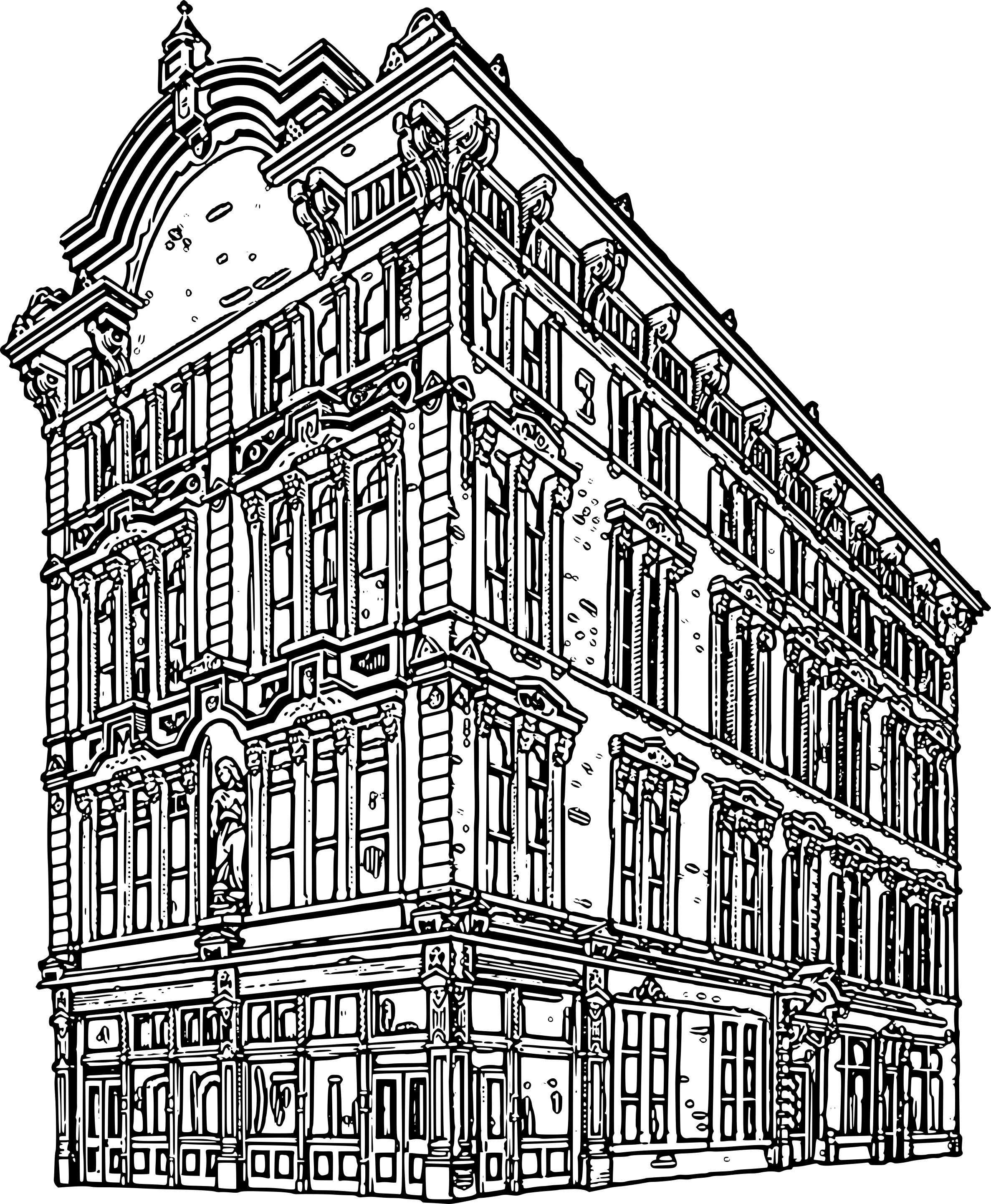
Johann Bast’s facade was carved, cast and set in one year, and every piece of it has been repaired, replaced or lost since. The niche above the door is the exception. Germania has stood in that arch through a war, a renaming and a century of tenants, and she is still the first thing on this corner that looks back at you.

The Germania
Building.
This corner has stood since 1877, and almost nothing it was built for still exists — except the building, which turned out to be the stubborn part.
A promise against fire
Henry Ratterman came off the boat from Ankum at fourteen and went to work in a lumber yard. He watched fire after fire ruin his German neighbors while the insurers meant to cover them quietly went broke, and decided someone ought to run one that wouldn’t. So he founded the German Mutual Fire Insurance Company. Damage — and what you do in the hush afterward — became the family business.
The Germania rises
The company built this corner, and built it to be seen. Johann Bast drew the Renaissance Revival facade; Schreiber and Sons cast the iron; the ceilings went up a full sixteen feet, because a company like that didn’t do anything small. Germania herself took her place above Walnut Street, with Apollo and his four horses charging over the side door.
Kept in German
The books and the minutes were written in German. Upstairs, a hundred-voice singing society called the Cincinnati Orpheus rehearsed once a week — so this building has been making a beautiful noise for longer than anyone drinking here has been alive.

The name comes down
America entered the war, and a proud German name over the door turned into a liability overnight. Germania was boarded over, draped in black, and quietly recast as Columbia — an eagle on her breastplate, flags on her shield, E Pluribus Unum cut into her gown. They changed everything about her but her face.
Nothing beside remains.
Same corner, new century
By now the firm was Hamilton Mutual, though Apollo and his horses still galloped through its newspaper ads, loyal to the end. That was the year Sputnik went up, too. Nobody thought to connect the two, and we won’t start.
Work began inside. The cocktail bar opens first, a delicatessen follows, and twenty-eight rooms take the floors where the insurance men once kept their ledgers.

Building history drawn from Germania Building: History, Common Bond Consulting LLC, 2020. Illustration after the 1877 facade.
Come in.
The door’s on E. 12th Street — it won’t announce itself. Open in Google Maps
A cocktail bar in the old Germania Building.
1127 Walnut Street · Cincinnati, Ohio 45202